
Getting rid of bed bugs takes a process, not a single spray. These insects hide in cracks, resist many over-the-counter pesticides, and survive months without feeding, so the only reliable approach is to attack them several ways at once: find them, contain them, kill them with heat, treat their hiding spots, then trap and monitor until they are gone. Worked patiently, most home infestations can be cleared in a few weeks.
Here is the proven step-by-step, with links to the detailed guide for each stage.
The Bed Bug Treatment Plan at a Glance
| Step | What it does | Key tools |
|---|---|---|
| 1. Confirm & find | Locate every harborage before you treat | Flashlight, old card, inspection |
| 2. Declutter & contain | Cut hiding spots, seal the bed off | Encasements, interceptors, bags |
| 3. Kill with heat | Heat kills all life stages, including eggs | Hot dryer, steamer, pro heat |
| 4. Treat the hiding spots | Reach what heat missed in cracks | Diatomaceous earth, labeled sprays |
| 5. Trap & monitor | Catch survivors, confirm progress | Interceptor cups, weekly checks |
| 6. Repeat / call a pro | Break the egg cycle; escalate if needed | 2 to 3 week follow-ups |
Step 1: Confirm You Have Bed Bugs and Find Them
Before spending a dollar on treatment, confirm the pest and map where they live. Look for live bugs, translucent shed skins, rust-colored fecal spots, and pale eggs along mattress seams and the bed frame. Our guide on how to know if you have bed bugs covers the bite and odor signs, and where bed bugs hide walks through every spot to check, since they travel 5 to 20 feet from the bed to feed. You cannot treat what you have not found.
Step 2: Declutter and Contain the Bed
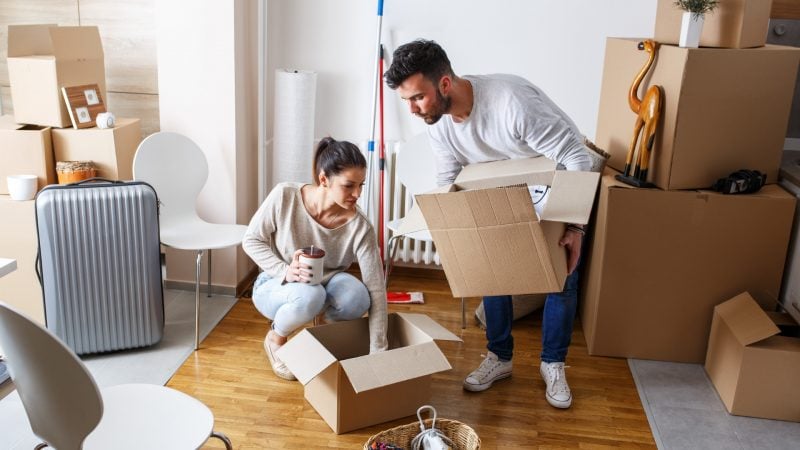
Bed bugs love clutter because it gives them more cracks to hide in. Clear the area around the bed (do not drag infested items through clean rooms, bag them first). Then seal the bed itself:
- Encase the mattress and box spring in a zippered, bed-bug-rated cover. Anything sealed inside starves, and there are no seams left to colonize. See bed bug mattress encasements.
- Put interceptor cups under each bed leg and pull the bed a few inches from the wall, so the only path to you is up the legs, where the cups trap them.
- Bag clothing and linens for the laundry step, and keep treated and untreated items apart.
Step 3: Kill Them With Heat
Heat is the most reliable bed bug killer because it reaches all life stages, including the eggs that pesticides often miss. Their thermal death point is about 113°F (45°C), with all stages dying after roughly seven minutes at 115°F.
- Laundry: wash infested fabrics hot, then dry on high heat for at least 30 minutes. The dryer does the real killing, so even items you cannot wash can go through a hot dryer cycle. More in getting rid of bed bugs in clothes.
- Steam: a steamer kills bugs and eggs on contact in seams, baseboards, and furniture. See steam treatment for bed bugs.
- Whole-room heat: professionals raise a room to 120 to 135°F to kill everything at once. Details in heat treatment and the exact thresholds in what temperature kills bed bugs.
Step 4: Treat the Hiding Spots
Heat and laundry handle what you can move; now reach the cracks where the rest are hiding.
- Diatomaceous earth: a thin dusting in cracks, along baseboards, and under furniture works mechanically (it dries the bugs out), so they cannot become resistant to it. Apply a light layer, since a thick pile they will simply walk around. See diatomaceous earth for bed bugs.
- Labeled sprays: use a product labeled for bed bugs and spray into the seams and joints where they actually live, not open surfaces. Compare options in bed bug sprays and natural bed bug sprays.
- Skip the foggers. Total-release foggers (“bug bombs”) do not penetrate the cracks where bed bugs hide and can scatter them into walls. Here is why foggers do not work for bed bugs.
Step 5: Prefer Natural Methods? Use Them as Part of the Plan
Several low-toxicity options help, as long as you treat them as part of the full process rather than a magic bullet. Our overview of natural ways to get rid of bed bugs covers the realistic ones, and we have detailed guides on essential oils and borax (with honest notes on what each can and cannot do). Heat plus diatomaceous earth plus encasements is the strongest chemical-free combination.
Step 6: Trap, Monitor, and Repeat
Bed bug eggs hatch over a week or two and can survive a single treatment, so follow-up is what actually wins. Keep the interceptor cups under the legs and check them weekly. Re-treat hiding spots every two to three weeks until you go several weeks with zero new bugs. Patience here is the difference between clearing them and chasing them for months.
How to Treat Specific Places
Different spots need slightly different tactics. Jump to the detailed guide for yours:
When to Call a Professional
Call a pro if the infestation has spread beyond the bedroom, keeps coming back after weeks of effort, or you live in an apartment where it can move between units. A professional brings whole-room heat and a structured treatment plan that DIY often cannot match. Weigh it with do I need an exterminator.
How Long Does It Take to Get Rid of Bed Bugs?
With consistent effort, a typical home infestation clears in two to six weeks. Lighter cases caught early can be done in a couple of weeks; heavy or widespread ones, or apartments, take longer and usually need a professional. The clock resets every time you skip a follow-up, so steady beats heroic. Once they are gone, knowing what attracts bed bugs helps you avoid bringing them home again.
Frequently Asked Questions
Can you get rid of bed bugs yourself, or do you need an exterminator?
Most light to moderate infestations can be cleared with DIY heat, encasements, interceptors, and crack treatment, done consistently. Heavy, spreading, or apartment infestations usually need a professional with whole-room heat.
What kills bed bugs instantly?
Direct heat (a steamer, or a hot dryer cycle for fabrics) and contact with a labeled spray kill bed bugs fast. No single method reaches every bug at once, which is why the full plan matters.
Do bug bombs or foggers work on bed bugs?
No. Foggers do not reach into the cracks where bed bugs hide and can scatter them deeper into walls and neighboring rooms. Targeted treatment works far better.
Will bed bugs go away on their own?
No. Bed bugs can live many months without feeding, so an untreated infestation persists and grows. They have to be actively removed.
How do I keep bed bugs from coming back?
Keep mattress and box-spring encasements on, inspect after travel, check secondhand furniture before bringing it in, and reduce clutter near the bed. See where bed bugs hide for the spots to keep an eye on.
Sources
- U.S. EPA, “Do-it-yourself Bed Bug Control” and “Top Ten Tips to Prevent or Control Bed Bugs”
- University of Minnesota Extension, “Bed bugs”
- Penn State Extension, “Biology, Habitat, and Management of Bed Bugs”