
Bed bugs hide within a few feet of wherever you sleep, packed into cracks and seams as thin as a credit card. Their main harborage is the mattress, box spring, and bed frame. As an infestation grows they spread outward, traveling 5 to 20 feet to reach you at night and tucking into nearby furniture, baseboards, outlets, and belongings. They favor wood, paper, and fabric over smooth metal or plastic, which is exactly why they love your bed and the seams of your couch.
This guide walks through every place bed bugs hide, ranked by how likely each one is, plus the survival questions people ask most (can they live in your clothes, a cold car, or the washing machine?) and a 10-minute method to actually find them.
Where Bed Bugs Hide: Quick Reference
| Hiding spot | How likely | Where exactly to check |
|---|---|---|
| Mattress & box spring | Very high | Piping seams, tufts, tags, and the underside; the box-spring frame and stapled fabric |
| Bed frame & headboard | Very high | Joints, screw holes, cracks in wood, behind a headboard bolted to the wall |
| Nightstand & dresser | High | Drawer joints, runners, screw holes, the underside and back panel |
| Couch & upholstered chairs | High (top spot if someone sleeps there) | Seams, under cushions, the dust cover underneath, the seam where arm meets back |
| Baseboards & carpet edges | Medium | The crack where baseboard meets floor, under carpet tack strips at the wall |
| Clothes & closets | Medium (stored, not worn) | Folded clothes in drawers, items stored under the bed, closet shelves |
| Electronics & outlets | Lower | Alarm clocks, lamps, outlet and switch plates, smoke detectors |
| Walls, frames & trim | Lower | Behind picture frames and peeling wallpaper, in cracked plaster, under loose trim |
The One Rule That Explains Every Hiding Spot
Bed bugs are parasites that want one thing: a sleeping host to feed on, then a tight, dark crevice to digest and hide in. The U.S. EPA notes they will readily travel 5 to 20 feet from their harborage to feed, so the closer a crack is to your bed, the more likely it holds bugs. Start your search at the mattress and work outward in widening circles.
The second rule is size. An adult bed bug is about the width of a credit card. As the EPA puts it, “if a crack will hold a credit card, it could hide a bed bug.” That is why no flat surface matters as much as the seams, joints, and gaps around it. They can grip wood, paper, and fabric easily, and use stone, plaster, or metal when they have to, but they struggle on smooth, slick surfaces, which is the whole idea behind mattress encasements and under-leg interceptor cups.
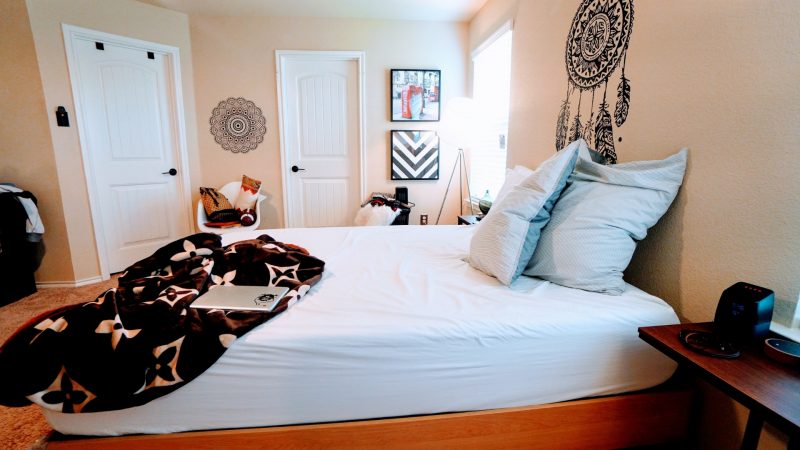
Mattress and Box Spring: The Number One Spot
If bed bugs are anywhere in your home, check here first. They cluster along the piping seam that runs around the edge of the mattress, in tufts and button folds, under the care tag, and across the entire underside. The box spring is often worse than the mattress itself: the wooden frame, the staples, and the thin fabric cover underneath give them dozens of protected pockets. Pull back that fabric cover and inspect the corners.
Encasing both the mattress and box spring in a zippered, bed-bug-rated cover traps anything inside (they starve over time) and leaves no seams for new bugs to colonize. See our guides to bed bug mattress encasements and getting rid of bed bugs in a mattress.
Bed Frame, Headboard, and Nightstand
Wooden frames are prime real estate: every joint, screw hole, and crack is a harborage. Headboards bolted to the wall are a classic blind spot because people rarely take them down to look behind. Nightstands and dressers within arm’s reach of the bed are next, especially the joints and runners of the drawers and the hollow underside. Take drawers all the way out and inspect the cavity, not just the drawer fronts.
Couches and Upholstered Furniture
A couch can be the single worst spot in a home, not just a backup. Anyone who naps or sleeps on a sofa turns it into a primary feeding site. Check the seams of every cushion, the crease where the arm meets the backrest, the gaps in the frame, and the thin dust cover stapled to the bottom (flip the couch over). Recliners and upholstered dining chairs hide them in the mechanism and seams too. For treatment, see how to get rid of bed bugs in a couch.
Carpet, Rugs, and Baseboards
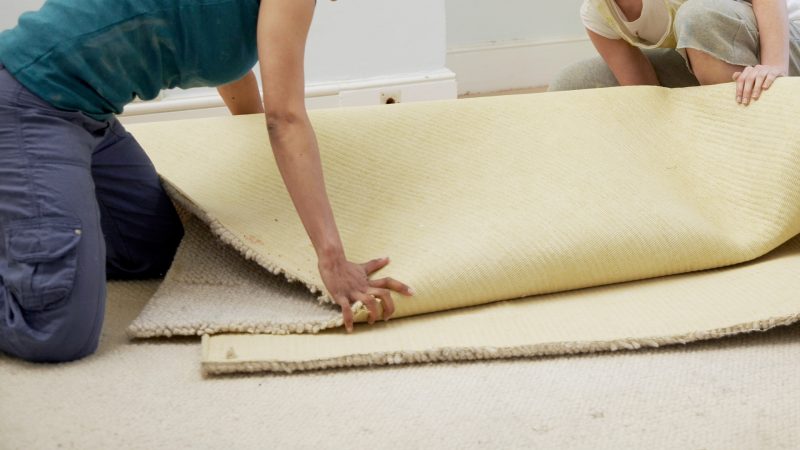
Bed bugs do not live out in the open field of a carpet, but they do hide along the edges. The tack strip under the carpet at the wall, the crack where the baseboard meets the floor, and the underside of area rugs near the bed are all fair game. This is why a thorough job vacuums and steams the room perimeter, not just the middle. Read more in getting rid of bed bugs in a carpet.
Clothes, Drawers, and Closets
Here is the key distinction: bed bugs hide in stored clothing, not the clothes you are actively wearing. They avoid a moving host, so they will not live on your body, but a pile of clothes on the floor, folded items in a dresser, or garments stored under the bed are perfect harborage. Closet shelves and the clothes you have not worn in weeks are higher risk than your daily outfit. The fix is heat: run infested clothing through a hot dryer cycle (more on that below).
Leather Furniture and Bags
Smooth leather is one of the harder surfaces for bed bugs to grip and hide on, so a clean leather sofa is lower risk than a fabric one. The catch is the stitching and seams: where leather panels are sewn together, where it meets a wooden or fabric frame, and inside the cushions, they hide just fine. Leather bags and luggage with fabric linings are a common way bugs travel home from a trip.
Electronics and Outlets
Electronics are a lower-probability spot, but they do happen in heavier infestations because the inside of an alarm clock, lamp base, or game console is warm, dark, and full of crevices. Wall outlets, light switches, and smoke detectors near the bed are also worth checking. Do not spray insecticide inside electronics or outlets. Treat these items with heat, or have a professional handle them. Unplug power first and inspect with a flashlight.
The Kitchen and Bathroom (Usually Safe)
People panic about the kitchen, but it is one of the least likely spots, because no one sleeps there for the bugs to feed on. In a severe, long-running infestation they can spread into cracks in any room, including kitchen cabinet joints or a bathroom baseboard, but if your only “sighting” is a lone bug in the kitchen, it almost certainly wandered from a bedroom or hitchhiked in on a bag. Focus your effort where people sleep.
Can Bed Bugs Survive in Water, Cold, or the Washing Machine?
In water
Bed bugs are not aquatic, but they are surprisingly tough and can survive brief submersion. Dropping items in a tub of water is not a reliable kill method. What does work is hot, soapy water on contact, and washing fabrics followed by high-heat drying.
In the cold
Cold is slow. Bed bugs can survive cool temperatures for a long time, which is why leaving an item in an unheated garage or a cold car for a day or two does nothing. To actually kill them with cold, you need 0°F (-18°C) for at least four days (University of Minnesota Extension), and many home freezers do not run that cold. Check with a thermometer before trusting the freezer method.
In the washing machine
Washing helps, but the dryer does the killing. Bed bugs and their eggs die from sustained heat, so the reliable step is a hot wash followed by at least 30 minutes in the dryer on high heat. A cold or warm wash alone will not finish them. For items you cannot wash, the dryer on high for 30 minutes still works. See what temperature kills bed bugs for the exact thresholds.
How to Find Bed Bugs: A 10-Minute Inspection
You need a flashlight and an old plastic card. Drag the card edge along seams and cracks to flush bugs out, and look for four things:
- Live bugs: flat, reddish-brown, apple-seed-sized adults; smaller, paler young.
- Shed skins: translucent amber husks left behind as they grow.
- Fecal spots: tiny rust-colored or black dots and smears on the mattress, sheets, and walls.
- Eggs: pale, about 1 mm, often glued into seams in small clusters.
Work in order: mattress seams, then box spring, then bed frame and headboard, then the nightstand, then the perimeter of the room (baseboards, outlets, furniture within 5 to 20 feet of the bed). Confirming an infestation early is far easier than chasing it once it has spread. Our guide on how to know if you have bed bugs covers the bite and odor signs too.
What to Do Once You Find Them
Finding the harborage is half the battle. Once you know where they are hiding:
- Encase the mattress and box spring to seal in anything you missed.
- Put interceptor cups under the bed legs so bugs cannot climb up from the floor, and pull the bed a few inches from the wall.
- Use heat: a hot dryer cycle for fabrics, a steamer for seams and baseboards, or professional heat treatment for a whole room.
- Treat the cracks with a labeled bed bug product or spray, getting into the seams and joints where they actually live.
- Know when to call a pro: if the infestation has spread beyond the bedroom or keeps coming back, a professional with heat or a full treatment plan is worth it.
Prevention matters too. Knowing what attracts bed bugs (warmth, carbon dioxide, and the chance to hitchhike home in luggage) helps you keep them out after you have cleared them.
Frequently Asked Questions
How far do bed bugs travel from the bed?
They will travel about 5 to 20 feet from their hiding spot to feed, then return. That is why you inspect a radius around the bed, not just the mattress.
Can you see bed bugs with the naked eye?
Yes. Adults are about 4 to 5 mm, roughly the size and color of an apple seed, and are easy to see. Eggs and newly hatched young are much smaller (around 1 mm) and pale, so they are easy to miss.
Do bed bugs live in your hair or on your body?
No. Unlike lice, bed bugs do not live on a host. They feed for a few minutes, then leave to hide. If something is living in your hair it is far more likely lice. See bed bugs and hair for the full explanation.
Can bed bugs live in an empty house?
Yes. Bed bugs can survive many months without feeding, especially in cooler conditions, so an empty apartment or a stored couch can still be infested when it is brought back into use.
What temperature kills bed bugs?
Their thermal death point is around 113°F (45°C), and all life stages die after about seven minutes at 115°F. For cold, you need 0°F for at least four days. See what temperature kills bed bugs for the full breakdown.
Sources
- U.S. EPA, “How to Find Bed Bugs” and “Protecting Your Home from Bed Bugs”
- University of Minnesota Extension, “Bed bugs”
- Penn State Extension, “Biology, Habitat, and Management of Bed Bugs”