
Finding one or two small black bugs with a hard shell in your home is usually nothing to panic about. The fastest fix is to clean thoroughly, vacuum up the bugs along with any eggs and larvae, and store food and fabrics so they cannot reach them. Natural repellents like peppermint oil help keep them from returning.
For a bigger problem, the key is identifying exactly which bug you have, because the right control depends on the species. The nine most common small black hard-shelled bugs found indoors are carpet beetles, house centipedes, cockroaches, pill bugs, grain beetles, ticks, fleas, cigarette beetles, and drugstore beetles. Use the quick table below to narrow it down, then read the matching section for control steps.
Quick Identification Table
| Bug | Size | Where you find it | Key trait |
|---|---|---|---|
| Carpet beetle | 1/8 to 3/16 in | Carpets, closets, near windows | Oval, shiny, may have white patches |
| House centipede | About 1 to 1.5 in body | Damp basements, bathrooms, drains | Many long legs, fast-moving |
| Cockroach | 1/2 to 2 in | Kitchens, drains, warm dark spots | Flat oval body, long antennae |
| Pill bug (roly-poly) | 1/4 to 1/2 in | Damp soil, mulch, near foundations | Rolls into a ball when touched |
| Grain beetle | About 5/32 in | Pantry, stored grains and cereal | Narrow body, clubbed antennae |
| Tick | About 1/8 in | On pets, carpets, pet bedding | Eight legs, flat until engorged |
| Flea | About 1/8 in | On pets, rugs, furniture | Jumps, laterally flattened body |
| Cigarette beetle | About 1/8 in | Pantry, tobacco, dried herbs | Rounded, hairy, smooth wing covers |
| Drugstore beetle | About 1/10 in | Pantry, medicine cabinet | Humpbacked, grooved wing covers |
Identifying Black Bugs With Hard Shells in Your House
Carpet Beetles
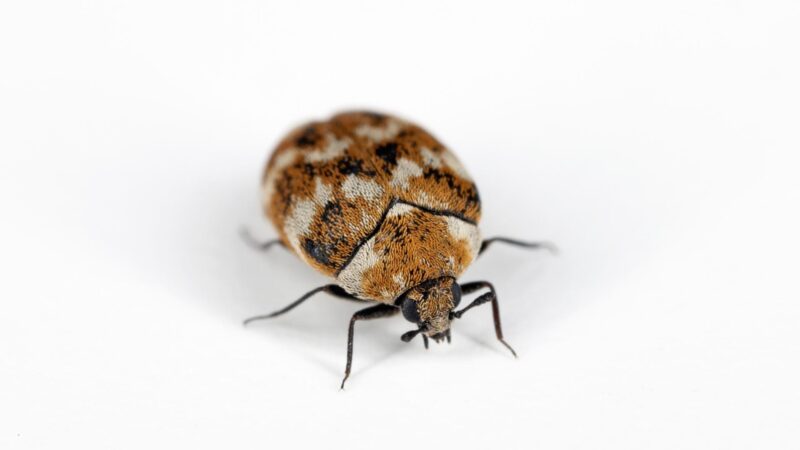
The carpet beetle is one of the most common small black hard-shelled bugs indoors. Adults eat plant material like pollen, but the larvae feed on the protein in natural fabrics such as wool and fur, which is where the damage comes from. They wander in through open windows and doors, hitch a ride on cut flowers or groceries, or cling to clothing after time outdoors near animal nests.
- Appearance: Tiny, oval, plump body, black or dark brown and often shiny; some have small white patches. Larvae are longer, with bristly hair and pale stripes.
- Size: 1/8 to 3/16 inch
- Family: Dermestidae
- Habitat: Outdoors on flowering plants; indoors near doors, windows, carpets, and closets
- Threat: They do not bite people, but the larvae chew through wool, fur, and silk, damaging carpets, rugs, and bedding
Control
Deep-clean the affected carpet if you can, or discard it if the infestation is too far gone, and vacuum nearby furniture in case larvae are hiding in cushions and covers. Prevent a repeat by vacuuming carpets and fabrics regularly and having them deep-cleaned periodically to kill any hidden larvae. If you keep finding them in the bedroom, see our guide to carpet beetles in bed, and for the broader picture, small black bugs in the house.
House Centipedes
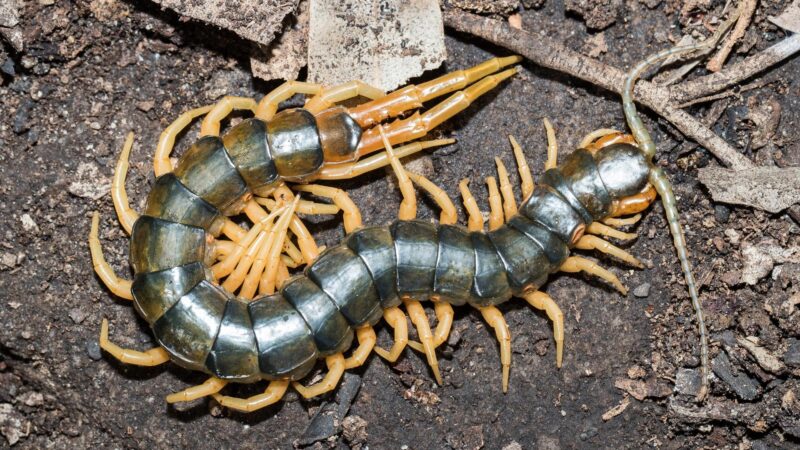
The centipede you actually find indoors is almost always the house centipede, a fast, leggy hunter usually around 1 to 1.5 inches long, not the giant tropical species that can reach several inches. Despite the name, a centipede does not have 100 legs; the house centipede has 15 pairs. It can bite if you grab or step on it, but for most people the bite is mild, comparable to a bee sting rather than excruciating, and serious reactions are rare. Centipedes are actually useful, since they hunt other household pests.
- Appearance: Long, slender, yellowish-gray to brown body with many pairs of long legs and a pair of antennae
- Size: House centipede about 1 to 1.5 inches body length
- Class: Chilopoda
- Habitat: Damp areas: basements, bathrooms, drains, and around leaks
- Threat: Minor; bites are uncommon and usually mild, and they prey on other pests
Control
Centipedes are drawn to moisture, so the real fix is drying out the space: fix leaks, run a dehumidifier in the basement, and seal entry gaps. Diluted peppermint oil sprayed on a centipede repels it, and diffusing it helps keep them away. See common house centipedes and how to get rid of house centipedes naturally for more.
Cockroaches
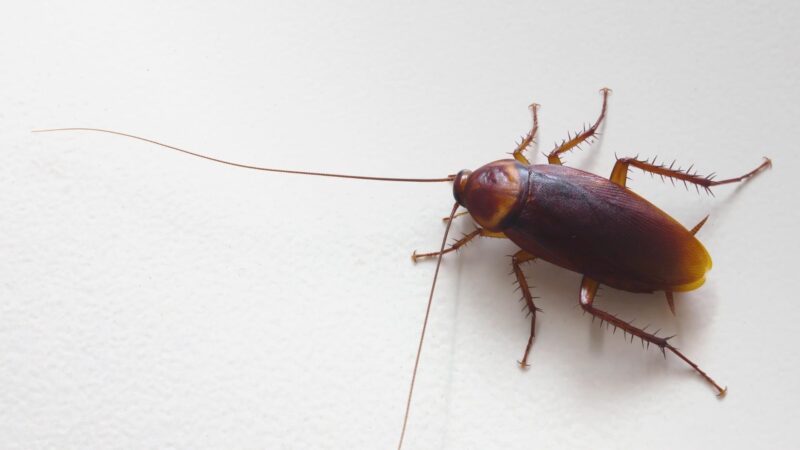
Cockroaches are hard-shelled scavengers that eat almost any food or waste, picking up bacteria along the way. They squeeze in through cracks, vents, and tiny gaps in their relentless search for food and water.
- Appearance: Flat, oval body, reddish-brown to dark and often shiny, with long thread-like antennae and six legs
- Size: 1/2 to 2 inches depending on species
- Order: Blattodea
- Habitat: Warm, dark, damp areas like drains, basements, and behind appliances
- Threat: Carry bacteria and trigger allergies and asthma in sensitive people; they can bite defensively
Control
Sanitation is the foundation: clean up crumbs and spills, take out the trash, fix leaks, and seal cracks and gaps that let them in. Research has found essential oil from kaffir lime (Citrus hystrix) repels several cockroach species, so a diluted spray can move them along, but for an active infestation, gel baits and a thorough clean-out work best. See whether cockroaches bite and our home remedies for cockroaches.
Pill Bugs
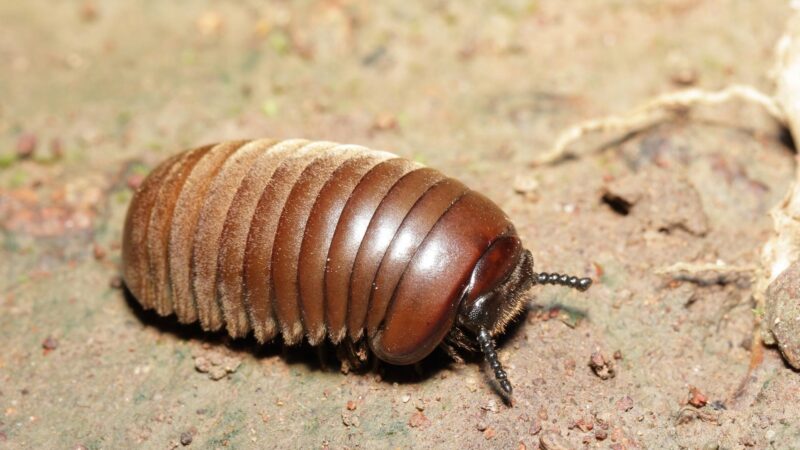
Pill bugs, also called roly-polies, are not true insects but crustaceans, and they normally live outdoors in moist soil. They wander in on garden tools or seek shelter during heavy rain. Their trademark defense is rolling into a tight ball, leaving only the armored shell exposed. They do not bite people or carry disease.
- Appearance: Shiny, oval body with thick, armor-like plates; curls into a ball when threatened
- Size: 1/4 to 1/2 inch
- Family: Armadillidiidae
- Habitat: Mulch, fallen leaves, and under rocks; indoors only in damp spots
- Threat: Harmless; no bite, sting, disease, or structural damage
Control
Keep the home dry and free of decaying plant matter: clear fallen leaves from indoor plants, vacuum regularly, fix leaks, and seal foundation cracks where moisture and bugs get in. Because they dry out quickly indoors, most pill bugs that wander in simply die. For more, see how to get rid of pill bugs.
Grain Beetles
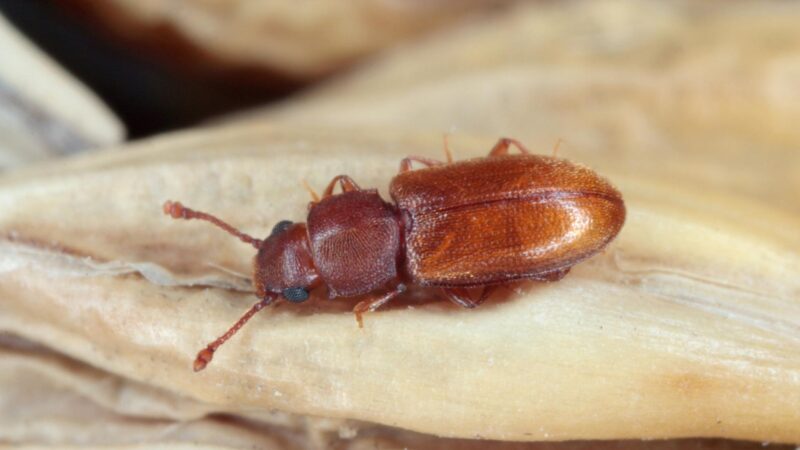
Grain beetles, such as the sawtoothed grain beetle, infest stored food and contaminate it. They mainly attack grains and cereals but will also feed on nuts, dried fruit, and spices.
- Appearance: Narrow, dark brown to black oval body with distinctive clubbed antennae
- Size: About 5/32 inch
- Genus: Oryzaephilus
- Habitat: Pantries and grain storage
- Threat: They do not bite, but they contaminate stored food and make it unfit to eat
Control
Find and throw out the infested package, then keep the pantry clean and free of crumbs and spills. Store flour, cereal, nuts, and other dry goods in airtight containers so the beetles cannot get in or spread between packages. Wiping down shelves removes the eggs and larvae that restart an infestation.
Ticks
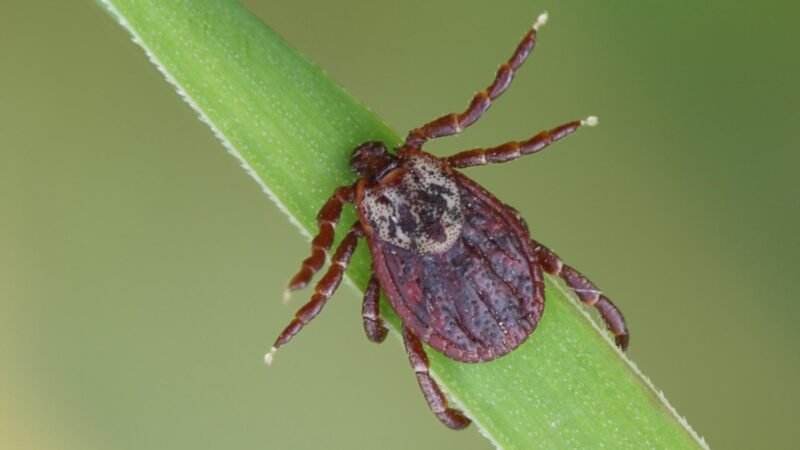
Ticks turn up most in homes with pets, riding in on a dog or cat after a walk. A single engorged female can lay thousands of eggs, so a few ticks can become an infestation fast.
- Appearance: Flat, reddish-brown, eight-legged body; females swell large and gray after feeding
- Size: About 1/8 inch unfed
- Order: Ixodida
- Habitat: Wooded and grassy areas outdoors; on pets and bedding indoors
- Threat: Blood-feeders that can transmit disease to pets and people; bites itch and irritate
Control
Treat the pet first with a vet-approved product such as the , then comb out dead ticks.
No products found.
Keep using a preventive after trips to the park, and vacuum pet beds and furniture so no tick survives to start a new generation. For an attached tick, see how to remove an engorged tick on a dog.
Fleas
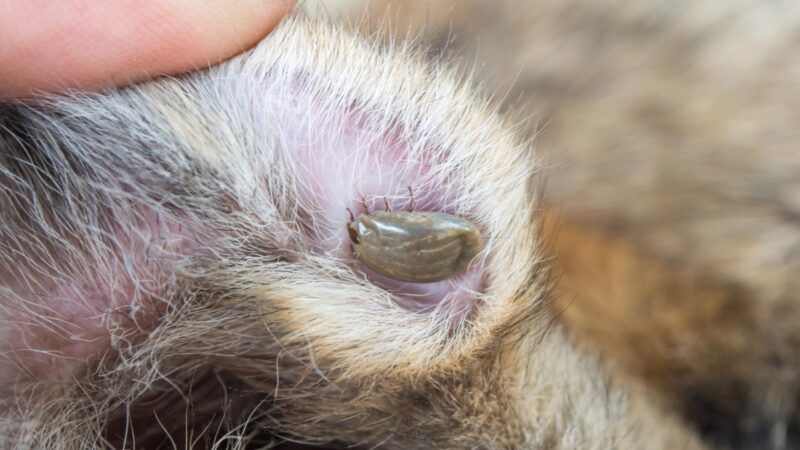
Like ticks, fleas are blood-feeding parasites that live on pets but readily bite people too. One female can lay around 50 eggs a day, so a small problem spreads through a house quickly.
- Appearance: Tiny, dark brown, laterally flattened body with strong jumping legs
- Size: About 1/8 inch
- Order: Siphonaptera
- Habitat: On pets, and in rugs, bedding, and shady outdoor spots
- Threat: Bites itch and can trigger allergies; they reproduce fast and can transmit disease
Control
Prevention is key. Bathe pets with an anti-flea shampoo such as the , then comb out the dead fleas.
No products found.
To treat the house, use a flea spray like the on rugs, carpets, sofas, and other fabrics where fleas hide.
No products found.
Wash pet bedding in hot water and vacuum daily during an outbreak to break the life cycle. For more, see our roundup of the best flea killers.
Cigarette Beetle
The cigarette beetle gets its name from its taste for tobacco, but it also attacks dried herbs, spices, grains, and other pantry goods. It does not bite, sting, or carry disease; the problem is the food it ruins.
- Appearance: Tiny, rounded, shiny reddish-brown body with smooth wing covers and a hairy look
- Size: About 1/8 inch
- Scientific name: Lasioderma serricorne
- Habitat: Pantries, stored tobacco, dried plant products
- Threat: Harmless to people but damages dried foods, herbs, and spices
Control
Find and discard the infested product, then vacuum the area to remove eggs and larvae. Move dry goods from cardboard into airtight containers and clean the pantry often so crumbs do not attract more beetles.
Drugstore Beetle
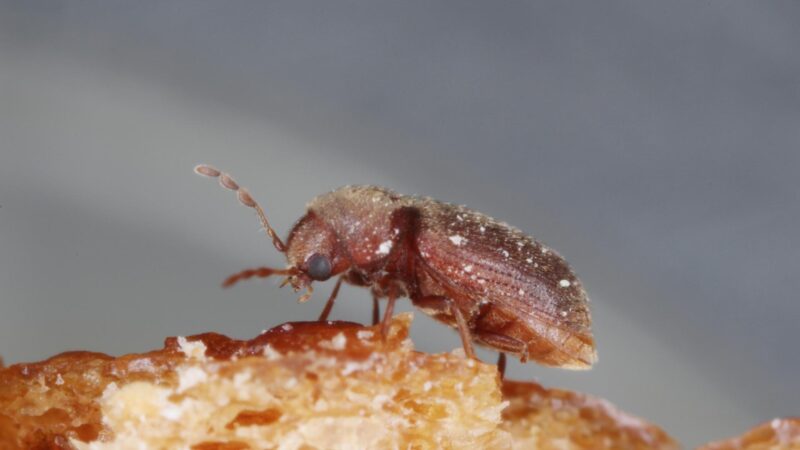
The drugstore beetle closely resembles the cigarette beetle but is named for its habit of infesting stored medicines and spices. It eats an extremely wide range of dried materials, from herbs and pet food to leather and paper.
- Appearance: Reddish-brown, humpbacked body with grooved wing covers and a downturned head
- Size: About 1/10 inch
- Scientific name: Stegobium paniceum
- Habitat: Pantries and medicine cabinets in warm, heated spaces
- Threat: Harmless to people but contaminates a wide range of dried goods
Control
Track down the food source and throw it out, since the contents are already contaminated. Clean out the pantry or medicine cabinet, especially any ripped packages that may hold eggs or larvae, then seal cracks and gaps and wipe the shelves regularly to keep new beetles from settling in.
How to Get Rid of Small Black Bugs With Hard Shells
Whichever bug you have, these general steps reduce numbers and stop the next infestation:
- Vacuum regularly. Vacuuming removes the bugs along with the tiny eggs and larvae you cannot see, and keeping it up prevents a comeback.
- Clean up food fast. Wipe spills and sweep crumbs right after cooking or eating so there is nothing to attract them.
- Deep-clean fabrics. Have carpets, bedding, and covers cleaned regularly, since several of these bugs hide and feed in fabric.
- Protect pets. Use vet-approved flea and tick products and groom pets after time outdoors to keep parasites out of the house.
- Seal cracks and fix leaks. Close gaps that let cockroaches and centipedes in, and dry out damp areas that draw moisture-loving bugs.
- Store food airtight. Keep pantry goods in sealed containers to shut out grain, cigarette, and drugstore beetles.
- Use repellents. Diffusing peppermint or citronella oil helps deter many insects as a finishing touch.
Frequently Asked Questions
What are the tiny black bugs with hard shells in my house?
Most often they are carpet beetles or pantry beetles (grain, cigarette, or drugstore beetles). Carpet beetles damage fabric, while pantry beetles infest stored food. Other common hard-shelled finds include cockroaches, fleas, ticks, pill bugs, and house centipedes. Identify by size and where you found it, then target that species.
Are these little black bugs harmful?
Most are not dangerous to people. Carpet, grain, cigarette, and drugstore beetles, plus pill bugs, do not bite and mainly damage fabric or food. The ones to take seriously are cockroaches (allergens and bacteria) and fleas and ticks (bites and disease). House centipedes can bite but rarely do.
How do I find where the bugs are coming from?
Match the bug to its favorite spot. Pantry beetles trace back to an infested food package, carpet beetles to wool or stored fabric, fleas and ticks to a pet, and centipedes and cockroaches to damp, cluttered areas. Inspect those spots first, remove the source, then clean and seal.
Does peppermint oil really keep these bugs away?
Peppermint oil is a useful repellent for several pests, including centipedes and some cockroaches, and it can deter them when diffused or sprayed at entry points. It is a helpful supporting measure, but it will not clear an established infestation on its own; you still need cleaning, sealing, and removing the food source.
List of Sources
Thavara U., et al., Repellent activity of essential oils against cockroaches, Southeast Asian Journal of Tropical Medicine and Public Health
Insects, Spiders, Centipedes, Millipedes, National Park Service, U.S. Department of the Interior
Franklin J. A., Byron M. A., Gillett-Kaufman J. L., Pillbug, University of Florida
Jackman J., Vinson B. S., Grain Beetles, Texas A&M University Extension Entomology
Potter M. F., Flea Control and Prevention, University of Kentucky Entomology

- How to Get Rid of Copperheads | Practical Guide - August 27, 2023
- How to Get Rid of Corn Snakes | What Makes Them Aggressive? - August 27, 2023
- How to Get Rid of Alligators | Safety Measures and Removal Methods - July 16, 2023