

The single most important rule for getting rid of ants is this: use bait, do not spray the trail. Spraying kills the few ants you see but never touches the nest, so the colony simply sends more, and some repellent sprays can even make a colony split and spread. The winning move is slow-acting bait: foraging ants carry it back to the nest, share it, and kill the queen and colony from the inside. Match the bait to your ant, leave the trail alone until the bait is working, and most ant problems clear in a week or two.
Here is the full method, with links to the detailed guide for your ant and your situation.
The Ant Plan at a Glance
| Step | What it does | Key tools |
|---|---|---|
| 1. Identify the ant | Decides sweet vs greasy bait, and if it is carpenter ants | Size, color, what they eat |
| 2. Find the trail | Shows where to place bait (do not wipe it yet) | Watch where they march |
| 3. Bait the colony | The #1 killer; reaches the queen | Borax or gel/liquid bait |
| 4. Support & stay pet-safe | Backs up the bait, keeps pets safe | Natural repellents, placement |
| 5. Clean & seal | Erases trails, blocks reentry | Soap/vinegar, caulk, sanitation |
Step 1: Identify Your Ant
Identification matters because it tells you which bait to use and whether you are dealing with wood-damaging carpenter ants. Start with types of ants and the ant size chart, then match yours:
- Small household ants (odorous house, Argentine, pavement, ghost, pharaoh): the usual kitchen invaders, mostly sweet-feeders. See odorous house ants, pharaoh ants, ghost ants, sugar ants, and little black ants.
- Grease/protein feeders (grease ants, and ants that ignore sweet bait): use a protein-based bait instead. See grease ants.
- Carpenter ants (large, hollow out damp wood): a different problem that needs its own approach. See how to get rid of carpenter ants.
- Outdoor stingers (fire ants, harvester ants): treated at the mound. See fire ants and harvester ants.
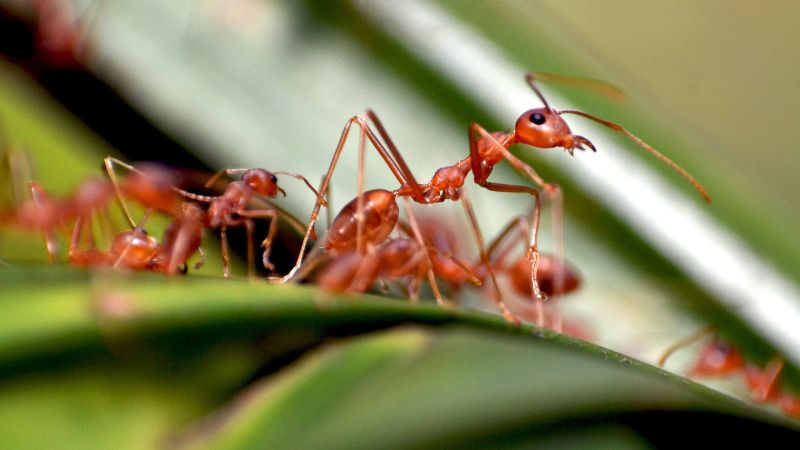
Step 2: Find the Trail (and Leave It Alone for Now)
Ants lay down a chemical pheromone trail that leads from the nest to food. That trail is your map: it shows you exactly where to place bait. Resist the urge to wipe it down right away, because you want the ants actively traveling to and from your bait. You will erase the trail later, after the colony is dead.
Step 3: Bait the Colony, the Method That Actually Works
This is the step that wins. According to university IPM programs, baits are both more effective and safer than sprays because the ants deliver the slow-acting poison to the nest and queen themselves.
- DIY borax bait: a low dose of borax or boric acid mixed into a sweet liquid is a proven home option. Getting the concentration right matters (too strong kills foragers before they share it), so follow our tested ratios in borax for ants.
- Commercial baits: ready-made gel and liquid baits with slow-acting actives (borax, fipronil, hydramethylnon) are reliable. Compare options in best ant baits and the active ingredients in ant control chemicals.
- Match sweet vs greasy. If ants ignore a sweet bait, switch to a protein/grease bait. Colonies change preference, so offer both if unsure.
- Place bait right on the trails and near entry points, use several small stations, and do not spray insecticide near the bait (it repels ants and ruins it). Be patient: it takes days for the bait to reach the queen.
Step 4: Natural Support and Keeping Pets Safe
Low-toxicity options help around the edges, as long as bait is doing the heavy lifting. See natural ant repellents, plus our specific guides on vinegar, baking soda, and essential oils. If you have pets, place baits where they cannot reach them and read how to get rid of ants without harming pets.
Step 5: Clean the Trails and Seal Them Out
Once the colony has collapsed, now you erase the pheromone trails so stragglers and new colonies do not follow them in. Wipe surfaces with soapy water or a vinegar solution, then close the door behind them:
- Seal cracks and gaps around windows, doors, pipes, and the foundation.
- Store food sealed, clean up spills and crumbs, and fix moisture (ants need water too).
- Trim plants touching the house that act as bridges indoors.
Knowing what attracts ants and which foods draw them in makes prevention much easier.
Ants by Type and Location
Jump to the detailed guide for yours:
- By type: carpenter, fire, sugar, odorous house, pharaoh, pavement, crazy, red
- By place: kitchen, bathroom, walls, car, bedroom, hotel room
When to Call a Professional
Call a pro for carpenter ants damaging structural wood, for stinging fire ant mounds in the yard, or for any colony that keeps rebounding after weeks of baiting. A professional can locate hidden nests and use products not available over the counter. See ant exterminator cost to weigh it up.
Frequently Asked Questions
Why should I use bait instead of spraying ants?
Spraying kills only the foragers you see, not the nest, so the colony keeps sending more, and repellent sprays can cause some colonies to split and spread. Slow-acting bait is carried back to the queen and kills the colony at the source.
What is the fastest way to get rid of ants?
Bait placed directly on active trails, matched to whether your ants want sweet or greasy food. It takes a few days to reach the queen, but it clears the whole colony rather than just the visible ants.
Why are there suddenly more ants after I sprayed?
Sprays can scatter a colony and trigger budding, where it splits into several nests. Switching to bait and leaving the trail intact reverses this.
Does killing the ants I see solve the problem?
No. The ants on your counter are a small fraction of the colony. Until the queen is gone, they keep coming, which is why bait beats squashing or spraying.
Will ants go away on their own?
An established indoor colony usually will not. Remove the food and water, bait the colony, and seal entry points to clear them for good.
Sources
- UC Statewide IPM Program (UC IPM), “Ants”
- Penn State Extension, “Got Ants? Eliminate them with IPM”
- University of Minnesota Extension, “Ants”

- Bed Bug Surge 2025: How to Detect, Prevent, and Safely Eliminate Infestations in Top U.S. Cities - June 18, 2025
- Asian Needle Ants Invade US Homes: 2025 Guide to Identification, Risks, and Effective Control - June 11, 2025
- New World Screwworm Alert: How US Livestock Owners Can Prevent Outbreaks and Protect Herds [Summer 2025 Update] - June 8, 2025