

You wipe the counter, and an hour later the ants are back: a thin, determined line marching to a crumb you forgot. Sprays kill the ants you can see and almost none of the thousands you can’t. Borax is different. Used correctly, this cheap laundry-aisle mineral wipes out the entire colony, queen included, for a couple of dollars.
To get rid of ants with borax, mix it into a sweet or greasy bait (about 1 part borax to 3 parts sugar, or ½ teaspoon of borax per 2 tablespoons of peanut butter), then set it on their trails and leave it alone. Worker ants carry the slow-acting bait back to the nest and feed it to the queen, collapsing the colony in 1 to 3 weeks. The single most important rule: keep the borax concentration low, so workers survive long enough to share the bait before they die.
Below you’ll find the exact ratios, four DIY recipes for sweet- and grease-loving ants, a safety rundown for homes with pets and kids, and the most common mistake that makes borax “not work.” Let’s get into it.
Does Borax Actually Kill Ants?
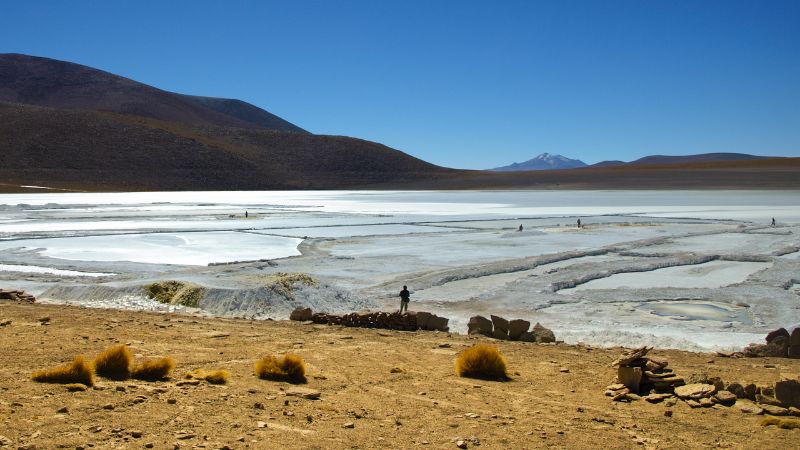
Yes. Borax (sodium tetraborate) is a slow-acting stomach poison for ants. On its own it doesn’t attract them, so you mix it with a food they want. When ants eat the bait, the borax disrupts their digestive system and metabolism, and they die a few days later. Because the kill is slow, foragers have time to carry the bait home and spread it through the colony, which is exactly what makes it work where sprays fail.
Borax is the same active ingredient used in many popular store-bought liquid ant baits, including Terro, so a homemade borax bait is essentially the DIY version of a product you’d pay for. There are thousands of ant species with different tastes: sugar ants crave carbs, while grease ants prefer oils and protein. Matching the bait to the ant is half the battle.
How does borax kill an entire ant colony?
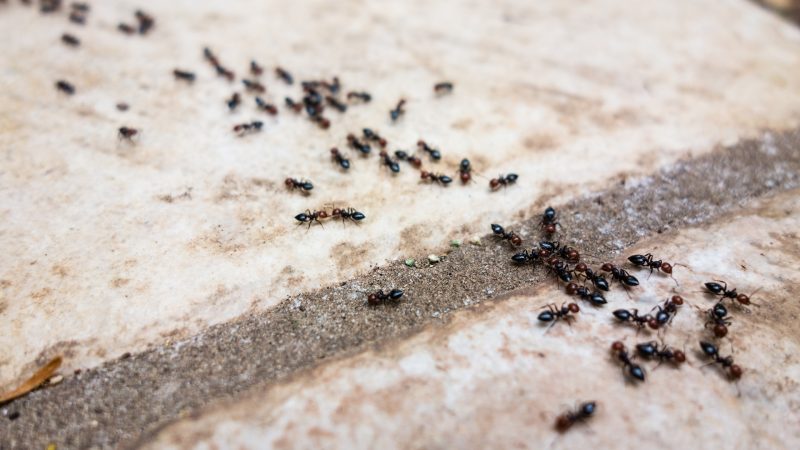
The colony dies because of how ants share food. Worker ants can’t digest solid food directly. Instead, they swallow liquids and pass them mouth-to-mouth to nestmates and to the queen, a process called trophallaxis. When a forager drinks borax bait and returns to the nest, it feeds contaminated food to dozens of others, including the queen. Kill the queen and the colony can no longer reproduce, so it collapses.
This is why patience matters. If you spray the ants you see or wipe up the trail, you cut off the delivery system before the bait reaches the queen, and a few survivors will rebuild. Let the line of ants march to and from the bait undisturbed.
How long does borax take to kill ants?
Individual ants usually die within 24 to 72 hours of feeding. Wiping out the whole colony takes longer: typically 1 to 3 weeks for a small indoor infestation, and up to a month or more for a large or outdoor colony. You’ll often see more ants in the first day or two as foragers swarm the new food source; that’s a good sign the bait is being carried home. Keep the bait fresh until activity stops completely.
The #1 Rule: Don’t Make Your Borax Bait Too Strong
This is the mistake almost everyone makes, and it’s why borax sometimes “doesn’t work.” It’s tempting to think more borax means a faster kill, but the opposite is true. If the bait is too concentrated, the worker ant dies at or near the bait, before it can return to the nest and feed the queen. You’ll kill a few foragers and the colony survives.
University of California research on ant baiting found that low borate concentrations (roughly 0.5% to 1% of the bait) are the most effective for eliminating a colony, because they let workers live long enough to share the poison. Commercial liquid baits like Terro use a somewhat higher concentration (around 5%) in a carefully balanced formula, but for a homemade mix, erring on the side of less borax is the safer bet.
The simple field test: if you see dead ants piling up right at the bait but the trail keeps coming, your mix is too strong, so cut the borax and add more sugar or water. You want the ants feeding and leaving alive.
Match the bait to the ant
Ants switch food preferences by season and species, so if one bait gets ignored, try the other. Use this as a quick guide:
| If the ants are… | Use this base | Starting ratio | Best for |
|---|---|---|---|
| Going for sweets, sugar, spills | Sugar + water (liquid) | 1.5 cups sugar : 1.5 cups water : 1.5 Tbsp borax | Most sugar ants, odorous house ants, Argentine ants |
| Going for grease, meat, pet food | Peanut butter (paste) | 2 Tbsp peanut butter : ½ tsp borax | Grease ants, some carpenter and fire ants |
| You’re not sure | Set out both | Either | Let the ants tell you which they prefer |
How to Get Rid of Ants With Borax: Step by Step
Step 1: Identify what the ants want
Watch where the ants feed for a minute. Are they on the sugar bowl or the greasy pan? That tells you whether to start with a sweet liquid bait or a protein-based paste. Accurate identification of the ant’s food preference is the difference between a bait swarmed in an hour and one ignored for days.
Step 2: Mix the bait and pick a holder
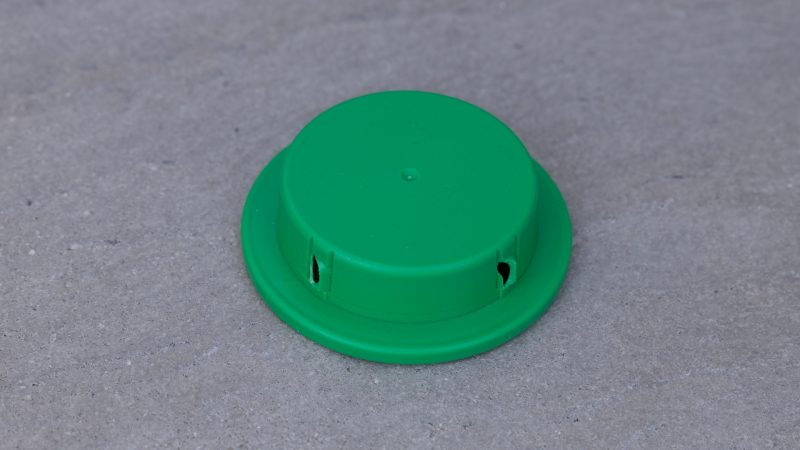
Mix one of the recipes below, keeping the borax low. Put liquid bait on a cotton ball, bottle cap, or shallow lid; put paste bait on a piece of card or inside a small lidded container with holes punched in it. A covered container also keeps the bait away from curious pets and kids.
Step 3: Place baits on the trails and wait
Set baits directly on or beside the ant trails and near entry points: along baseboards, under sinks, by doorways and windows. Use several stations rather than one. Then leave them alone: don’t spray, don’t wipe the trail, and resist cleaning up the ants you see. Replace the bait when it dries out (every few days), and keep going until the trails disappear.
4 Borax Ant Killer Recipes
Each of these is cheap to make from kitchen staples. Wear gloves while mixing, label every container “ANT BAIT: DO NOT EAT,” and start with the lower amount of borax.
1. Sugar-water liquid bait (best all-rounder)
Dissolve 1½ cups sugar and 1½ tablespoons borax in 1½ cups warm water, stirring until clear. Soak cotton balls in the solution and set them on lids near nests and entry points. This is a low, colony-friendly concentration that’s ideal for sweet-loving ants. Refresh as it dries.
2. Sugar-borax solid bait
Mix 3 parts powdered sugar to 1 part borax and sprinkle thin lines near trails and shelters. It’s convenient, but a solid mix is stronger than a liquid one, so use it where you can’t set out liquid, and switch to the liquid bait if you only see dead ants at the powder.
3. Honey gel bait
Stir 1½ tablespoons honey with ¼ teaspoon borax into a thick gel (add a few drops of warm water if needed). Spread it on a lid or stick it near trails with tape. The sticky gel bait clings well to vertical surfaces and counters.
4. Peanut butter bait (for grease ants)
For protein- and grease-loving ants that ignore sugar, mix 2 tablespoons peanut butter with ½ teaspoon borax into a paste. Put it inside a lidded jar with holes punched in the lid, and set it near the trail or mound. The container keeps the bait out of reach of pets and children.
Borax vs. Boric Acid for Ants: What’s the Difference?
They look identical and work the same way, but they aren’t the same compound. Borax is a naturally mined mineral (sodium tetraborate). Boric acid is refined from borax and is a finer, slightly more potent powder. For ant baiting, both kill the same way and at similar low concentrations; boric acid is a little stronger, so use slightly less of it. Borax is cheaper and easier to find in the laundry aisle, which is why it’s the popular DIY choice.
Is Borax Safe Around Kids, Cats, and Dogs?
Borax is low-toxicity, not non-toxic. It’s fine when used sensibly, but it should never be eaten, and direct or repeated contact can irritate skin and eyes. Swallowing a meaningful amount can cause vomiting, diarrhea, and stomach upset in people and pets, and large doses are more serious for small animals and children.
- Always use covered bait stations (a lidded jar with holes) where pets or children could reach.
- Place baits behind appliances, under sinks, and in cabinets rather than open floors.
- Wear gloves when mixing and wash your hands afterward.
- Label every container clearly and store leftover borax up high, sealed.
If a child or pet swallows borax or borax bait, call your doctor, vet, or a poison-control line right away. For homes with pets, our guide to getting rid of ants without harming pets covers safer placement and alternatives.
Can Borax Damage Your Lawn or Plants?
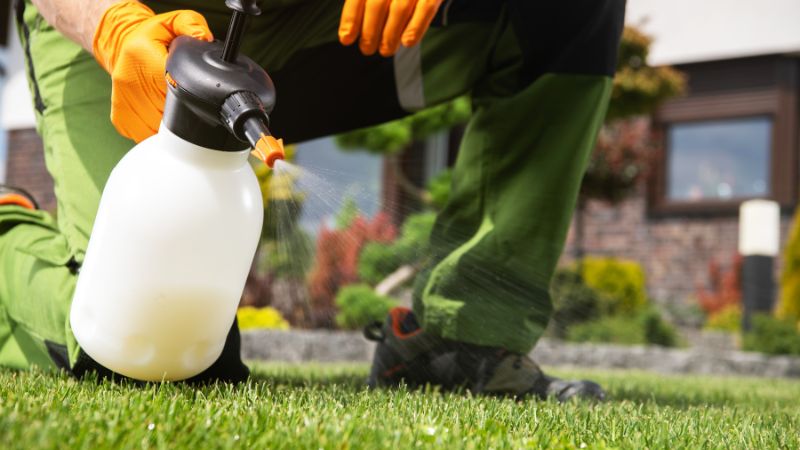
Yes. Borax is also a herbicide at higher doses, so loose powder or spilled liquid can burn grass and plants, and rain can wash it into the soil where it harms roots. Outdoors, always use a covered container rather than sprinkling borax on the ground, and keep it away from garden beds and lawn edges. Contained bait stations deliver the borax to the ants without salting your soil.
Best Borax Ant Killers to Buy
Prefer a ready-made option? Commercial borax baits are pre-measured to the right concentration, so there’s no mixing or guesswork. Terro’s liquid ant baits, for example, are borax-based. Here are well-reviewed picks:
No products found.
And if you’d rather buy plain borax powder to make your own baits:
No products found.
Which Ants Does Borax Kill?
Borax works on virtually every common household ant as long as you match the bait to its diet. That includes pavement ants, ghost ants, thief ants, fire ants, crazy ants, little black ants, Pharaoh ants, odorous house ants, acrobat ants, carpenter ants, and mound ants. Carpenter ants and grease ants often respond better to a protein bait, while most others take the sweet liquid.
Common Mistakes That Make Borax Fail
- Mixing it too strong. The top reason borax “doesn’t work.” Workers die before reaching the queen, so dilute the borax.
- Spraying or wiping the trail. You destroy the delivery route to the nest. Leave the ants alone while they bait.
- Using the wrong bait. Offering sugar to grease ants (or vice versa) gets your bait ignored. Set out both if unsure.
- Giving up too early. Colony elimination takes weeks. A spike in ants early on means it’s working, not failing.
- Letting bait dry out. Ants won’t take crusty, hardened bait. Refresh it every few days.
Frequently Asked Questions
Does borax kill ants instantly?
No, and that’s by design. Borax is a slow-acting poison so foragers have time to carry it back and feed the colony. Individual ants die in 24 to 72 hours; the colony takes 1 to 3 weeks. An instant kill would only take out the ants you see, leaving the queen alive.
Will the ants come back after using borax?
If the bait reaches and kills the queen, that colony won’t return. New colonies can move in later, so keep entry points sealed and food sources cleaned up. If ants reappear within days of “finishing,” the queen likely survived, so re-bait with a weaker mix.
Can I use regular 20 Mule Team borax from the laundry aisle?
Yes. Standard laundry borax (such as 20 Mule Team) is sodium tetraborate, the same compound used in ant baits. It’s inexpensive and works well for every recipe on this page.
Borax or Terro: which is better?
They’re the same active ingredient. Terro is a pre-measured, ready-to-use borax bait that removes the guesswork; homemade borax bait costs less but you control the concentration. Beginners often get faster results with a commercial bait, then switch to DIY once they know the routine.
Does borax kill carpenter ants?
Yes, borax baits can eliminate carpenter ants, which damage wood. They often prefer a protein bait, so try the peanut butter recipe. For large structural infestations inside walls, baiting may need to be paired with professional treatment.
Related: How to Get Rid of Ants: Safe and Effective Methods
Last updated: June 2026
List of Sources
Klotz, J. H., et al., University of California IPM, Ants: Integrated Pest Management (toxic baits and borate concentration).
Cranshaw, W. S. (2017). Colorado State University Extension, Ants in the Home.
Drees, B. M. (2014). Texas A&M AgriLife, Managing Household Ant Pests.
McCollum, P. University of California ANR, Get Rid of Ants in Your Vegetable Garden.

- Bed Bug Surge 2025: How to Detect, Prevent, and Safely Eliminate Infestations in Top U.S. Cities - June 18, 2025
- Asian Needle Ants Invade US Homes: 2025 Guide to Identification, Risks, and Effective Control - June 11, 2025
- New World Screwworm Alert: How US Livestock Owners Can Prevent Outbreaks and Protect Herds [Summer 2025 Update] - June 8, 2025