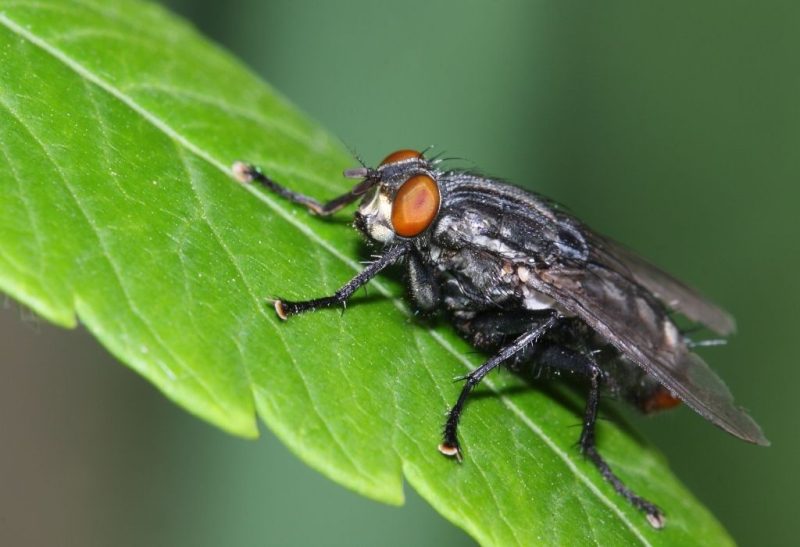
How to Get Rid of Flesh Flies | Reliable DIY Techniques
Flesh flies are sometimes mistaken for house flies because they have similar colors and markings. If you are not sure which fly you have, our guide to how to get … Read more

Flesh flies are sometimes mistaken for house flies because they have similar colors and markings. If you are not sure which fly you have, our guide to how to get … Read more

Wasps have a notorious reputation for their incredibly painful sting, which can also cause death on rare occasions. They also prey on pest insects such as ants, flies, and bugs. … Read more
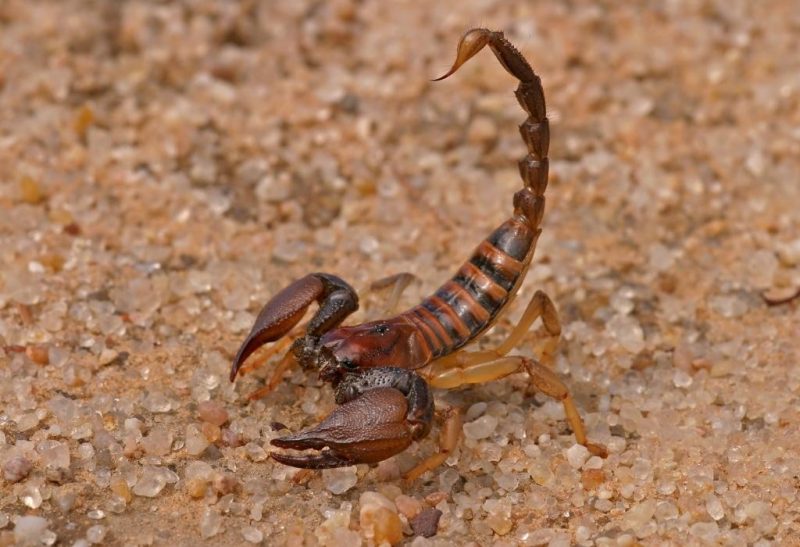
Scorpions are identified as very deadly because they have poison or stinger at the end of their tail. However, it is not true that all scorpions are dangerous. In fact, … Read more

House flies and fruit flies are the two common species of flies that you may see in your house or backyard. But regardless of the difference in their sizes, you … Read more
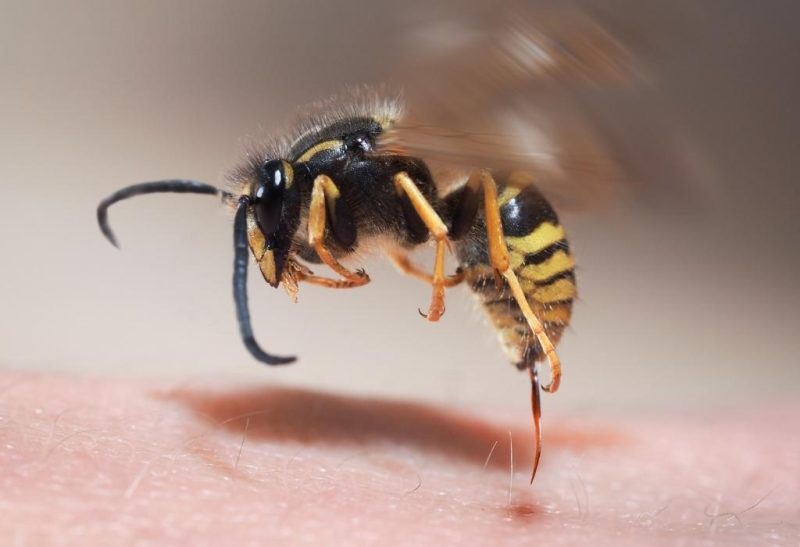
Wasp stings are usually more painful compared to bee stings. This is because both insects inject venom when they sting and the effects on the skin are somehow similar. They … Read more
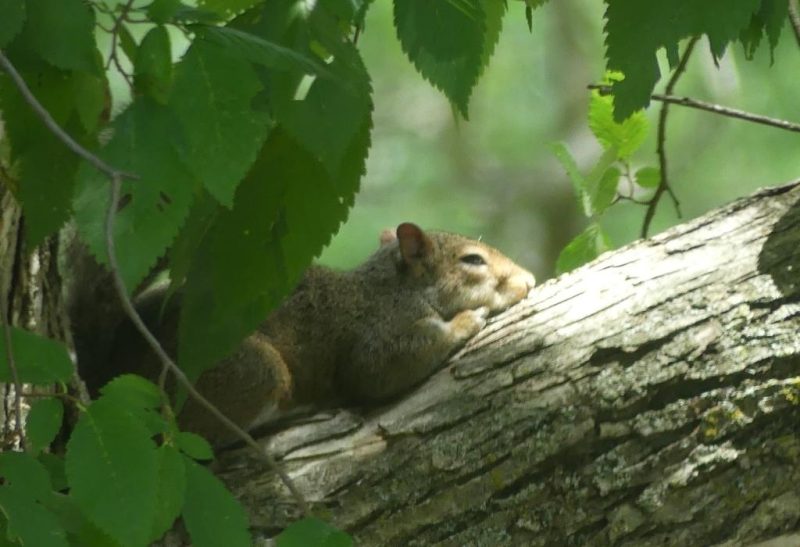
Most squirrel species are diurnal creatures, which means that they are more active in the day and they sleep at night. Different species may have different habitats and sleeping nests, … Read more
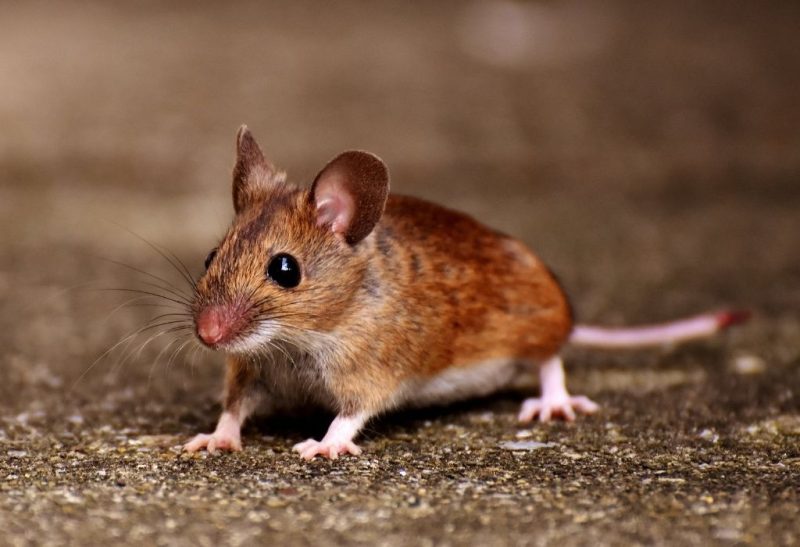
Field mice don’t usually invade homes as house mice do, but they also carry infectious diseases. This is why you should get rid of them as soon as possible. They … Read more
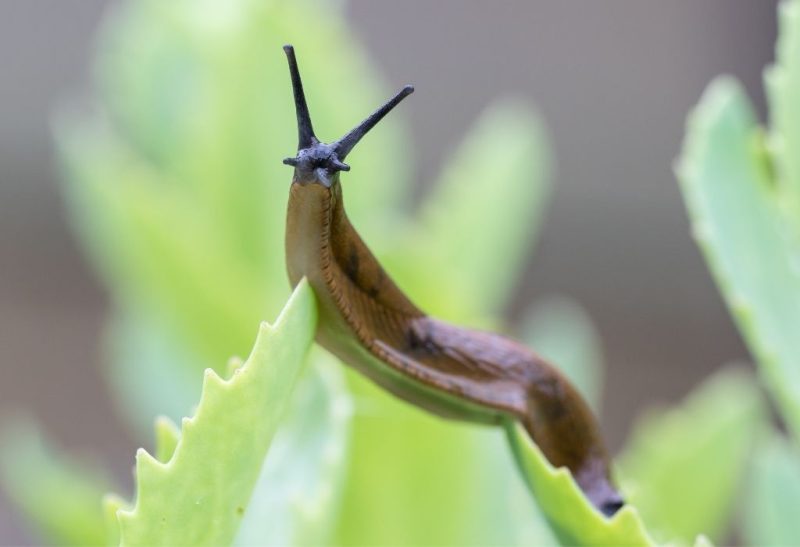
If you are growing plants and leafy vegetables in your garden, slugs can be a major problem. They primarily feed on green foliage and vegetation, so do not be surprised … Read more

If your cats or dogs are itchy and scratching excessively, there is a huge chance that fleas are attacking and biting them. Although these very tiny critters rarely attack humans, … Read more
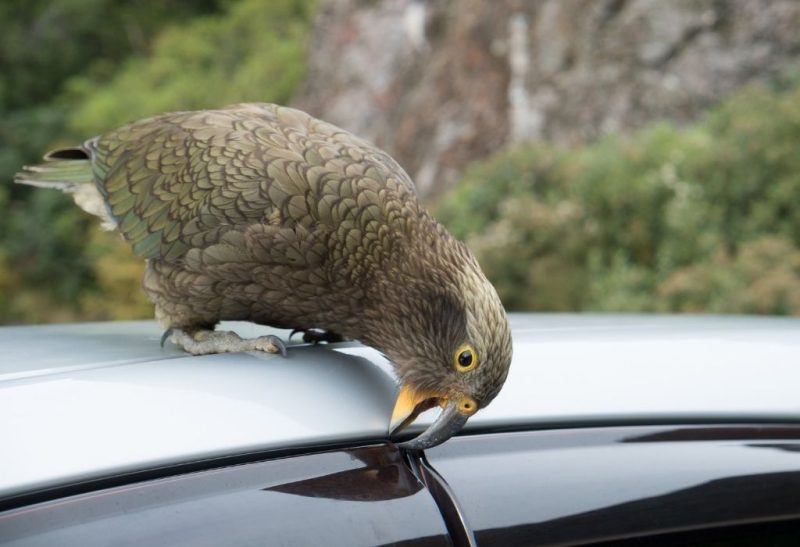
Birds are known to be lovely creatures due to their capacity to glide gracefully in the air and their capability to produce melodious chirps and noises. But when they go … Read more