

If you are seeing tiny clear or white bugs in your house, the fastest way to identify them is by where they are. On a houseplant, they are almost always mealybugs (white and cottony), woolly aphids (fuzzy, wool-like), or whiteflies (tiny white specks that fly up when you shake the leaf). In your bed, carpet, or sofa, they are dust mites, which are too small to actually see, you only notice the allergy symptoms. In the pantry, on flour or stored grain, a moving “layer of dust” is grain mites. The good news: none of these five bite people or carry disease. They are a nuisance to your plants, your stored food, or your allergies, not a danger to your body.
Below is a quick identification table to pin down which one you have, followed by what each bug is, why it showed up, whether it is harmful, and exactly how to get rid of it. These pests do best in warm, humid conditions, so summer is peak season for all five.
Tiny White Bugs in the House: Quick Identification
Match what you are seeing and where you are seeing it to the table, then jump to that bug’s section for the full fix.
| Bug | Size and look | Where you find it | Quick clue |
|---|---|---|---|
| Mealybug | ~3 mm, soft oval, white cottony wax | On houseplant stems and leaf joints | Looks like little white cotton puffs |
| Woolly aphid | 2 to 4 mm, covered in white woolly wax | On plant stems and leaves, in groups | Fuzzy, wool-like, may fly |
| Whitefly | ~1/16 inch, white, four wings | Underside of plant leaves | Tiny white cloud flies up when disturbed |
| Dust mite | ~0.5 mm, invisible to the eye | Beds, carpets, pillows, upholstery | You cannot see them, only allergy symptoms |
| Grain mite | ~1/50 inch, pearly white | Flour, grains, pet food in the pantry | Looks like a moving layer of dust |
If the bugs are near a leak, in a damp bathroom, or on a windowsill rather than on plants or in food, you may instead be dealing with booklice, mold mites, or springtails. See our guides to little white bugs that look like dust and tiny bugs on the window sill.
The 5 Small Clear White Bugs and Mites in the House
1. Mealybugs
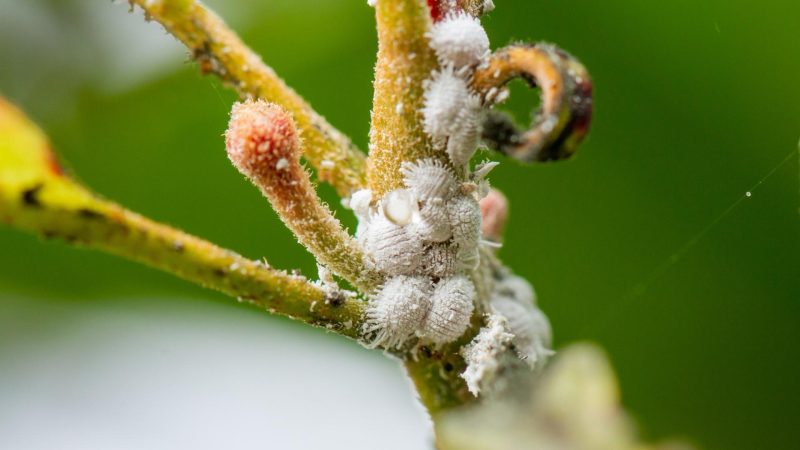
Mealybugs are little white bugs in the family Pseudococcidae. They are about 3 mm long with soft oval bodies wrapped in fluffy white wax, which is what gives them that telltale cotton-puff look. Wingless adult females resemble the nymphs, while the rarely seen males have two tiny wings and two long tail filaments. The four most common species are citrus, longtailed, pink hibiscus, and Madeira mealybugs, and all of them feed on garden, landscape, and indoor plants.
Why Are Mealybugs in My House?
Most mealybugs reproduce fast and live in colonies, sucking plant sap and producing sticky honeydew. They cannot fly and crawl slowly, but they hitch a ride indoors on new plants and then spread to your other houseplants. Warm, humid conditions draw them in and help them multiply.
Are Mealybugs Dangerous to Humans?
No. Mealybugs do not bite people and carry no human diseases. They are strictly a plant pest: they can spread plant viruses, and a large colony slows growth, lowers fruit quality, and damages ornamental plants both indoors and out.
How to Get Rid of Mealybugs on Your Plants
A single female can lay over 200 eggs in about 20 days, so act before they spread. To get rid of mealybugs:
- Isolate the infested plant from the rest right away to stop the spread.
- For small infestations, dab each bug with a cotton swab dipped in a 10 to 25 percent isopropyl alcohol solution, taking care not to damage the plant.
- Introduce natural predators such as lady beetles, lacewings, and the mealybug destroyer beetle, like .
- Inspect every new plant carefully before bringing it indoors.
- Go easy on nitrogen fertilizer, since high nitrogen boosts mealybug egg production.
2. Woolly Aphids
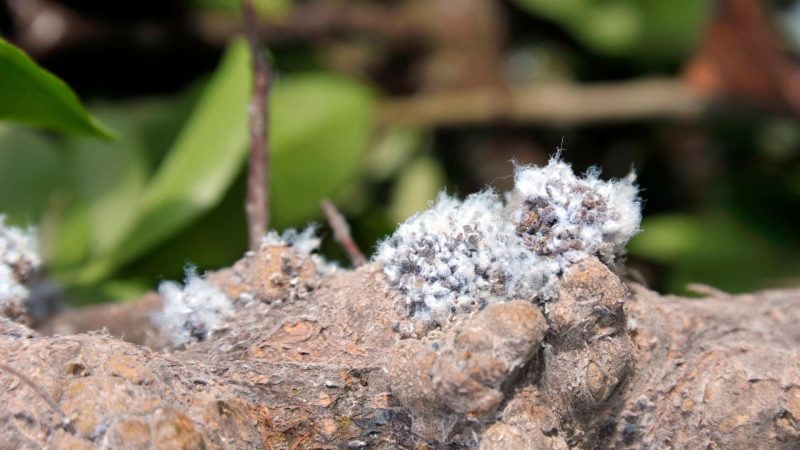
Woolly aphids are sap-sucking insects in the subfamily Eriosomatinae, their bodies covered in white, fluffy wax that genuinely looks like wool. They run about 2 to 4 mm long with banded antennae and slightly darkened wing veins, and like mealybugs they produce honeydew. Common species include the woolly apple aphid and woolly hackberry aphid. Most use two host plants, one to overwinter and lay eggs on and another to feed on in summer, and they tend to feed in clusters.
Why Are Woolly Aphids in My House?
They arrive on infested plants, so the more houseplants you keep, the higher the odds of an encounter. They move from plant to plant by flying or crawling, though some are wingless.
Are Woolly Aphids Dangerous to Humans?
No. Like all aphids, they are harmless to people and do not bite or sting. Their feeding curls and yellows leaves and stunts growth, but mostly it affects how the plant looks rather than its long-term health.
How to Get Rid of Woolly Aphids on Your Plants
Infestations are usually minor and rarely need pesticide. To clear them:
- Hose the honeydew off the plant to discourage sooty mold and fungal disease.
- Release natural enemies such as ladybugs, lacewings, and parasitic wasps.
- Spray small plants with soapy water, but avoid drenching beneficial insects.
- Remove weeds and mulch the beds to cut down future aphid pressure.
- Apply neem oil, like , which contains azadirachtin and disrupts the aphid life cycle.
3. Whiteflies
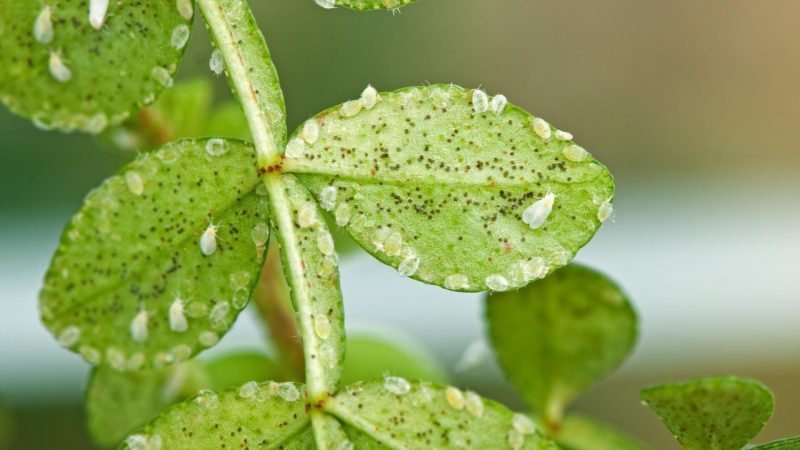
Whiteflies are about 1/16 to 1/10 inch long, with yellowish bodies and four broad wings dusted in white wax. Despite the name they are not true flies; they belong to the order Hemiptera (the true bugs) and are close cousins of mealybugs and aphids. Like mealybugs, they suck sap and excrete honeydew, feeding on the undersides of leaves through needle-like mouthparts. The giveaway is a tiny white cloud that flies up when you disturb the plant. You usually only notice an infestation once leaves yellow or drop suddenly.
Why Are Whiteflies in My House?
Whiteflies are mostly outdoor pests with no interest in your home, but they slip indoors on houseplants. Because they hide on the undersides of leaves, they are easy to miss, and a female lays 200 to 300 eggs, so populations build quickly indoors.
Are Whiteflies Dangerous to Humans?
No. Whiteflies do not bite people or carry diseases that affect humans or pets. They are a plant problem: heavy numbers distort plants and can transmit plant diseases that seriously damage houseplants and gardens.
How to Get Rid of Whiteflies on Your Plants
They are tough to control because they are tiny and hide under leaves, with nymphs far outnumbering the visible adults. To get rid of whiteflies:
- Hang odorless, non-toxic yellow sticky traps near the plants, such as .
- Release natural enemies; for indoor plants, the parasitic wasp targets whiteflies specifically.
- Avoid broad pesticides that kill the whiteflies’ natural enemies.
- Inspect new plants thoroughly before bringing them in.
- Check plants regularly and prune off heavily infested leaves.
4. Dust Mites
House dust mites are microscopic creatures that live in household dust, hence the name. At about 0.5 mm and clear to creamy white, they are too small to see with the naked eye, so people usually only notice the allergy symptoms they cause. They are relatives of ticks and spiders, with eight legs. The two most common species are the American and European house dust mites, and they feed on the dead skin flakes (dander) people and pets shed, concentrating in beds, carpets, pillows, stuffed toys, and upholstered furniture.
Why Are Dust Mites in My House?
Dust mites are present in nearly every home, especially where dust collects. They thrive in warm, humid conditions and multiply faster if you have pets, since animal dander is part of their diet.
Are Dust Mites Dangerous to Humans?
They do not bite or carry disease, but they are the one pest on this list that can directly affect your health. Their feces, secretions, and body fragments are powerful airborne allergens. When disturbed dust is inhaled, it can trigger allergic reactions and asthma attacks in sensitive people, with symptoms like frequent sneezing, coughing, and a runny nose.
How to Get Rid of Dust Mites in Your Home
You cannot eliminate them entirely, but you can drive the population down hard enough to relieve symptoms:
- Avoid wall-to-wall carpet where you can; otherwise vacuum it at least twice a week, ideally with a HEPA vacuum.
- Wash bedding, blankets, and pillowcases in hot water at about 130°F (54°C) to kill mites.
- Encase mattresses and pillows in zippered, dust-proof covers, such as and .
- Keep humidity below 50 percent, since dust mites struggle in dry air. A dehumidifier like the helps.
- Run an allergen-trapping air purifier, such as the , to capture airborne allergens.
- Choose wood or metal bed frames over upholstered ones, and keep stuffed toys away from anyone with asthma.
Related: How Do You Get Rid of Little White Bugs That Look Like Dust?
5. Grain Mites
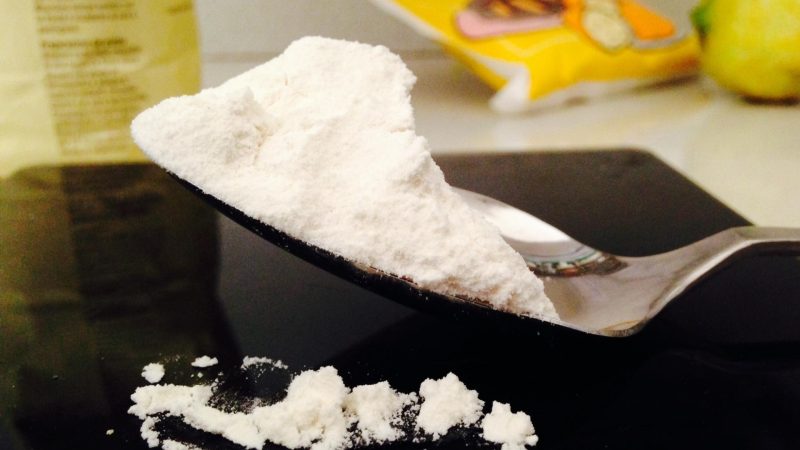
Also called flour mites, grain mites are about 1/50 inch long with soft, pearly or grayish-white bodies and eight pale legs (larvae have only six until they molt). They feed on processed and ground foods: flour, grain, cheese, pet food, powdered milk, wheat germ, yeast, and fungi. When they multiply on food they look like a moving layer of dust. Besides homes, they turn up in poultry houses and abandoned beehives.
Why Are Grain Mites in My House?
They love moisture and usually arrive in food that was already infested when you bought it, then settle into damp pantry and kitchen storage. The first sign is “mite dust” on shelves and containers, most obvious in hot, humid weather.
Are Grain Mites Dangerous to Humans?
They do not bite or spread disease, but handling heavily infested food can cause a skin irritation known as grocer’s itch (allergic dermatitis). They are not considered dangerous to people, though pets eating badly infested food can get diarrhea, eat less, and grow poorly.
How to Get Rid of Grain Mites in Your Home
Do not use pesticides in kitchens or food-storage areas. Since a female can lay 600 or more eggs in good conditions, sanitation is the only reliable fix:
- Throw out all infested grains and food products.
- Empty storage bins and vacuum them inside and out, along with the surrounding walls and floors.
- Wash bins, walls, and floors with soapy water.
- Move the remaining grains into tightly sealed, airtight containers.
- Inspect new packets before buying, and skip damaged packages or anything stored somewhere damp.
- Keep storage humidity below 13 percent to stop them coming back.
Frequently Asked Questions
What are the tiny white bugs in my house that are not on plants?
If the tiny white specks are in your bed or carpet and you cannot actually see individual bugs, they are most likely dust mites. In flour or stored grain, a moving dust-like layer is grain mites. Near a leak, in a damp bathroom, or on a windowsill, the culprits are usually booklice, mold mites, or springtails rather than the plant pests on this list.
Do these little white bugs bite people?
No. Mealybugs, woolly aphids, whiteflies, dust mites, and grain mites do not bite humans or pets, and none of them carry disease. The only health effect is indirect: dust mites trigger allergies and asthma, and handling grain-mite-infested food can cause grocer’s itch.
How do I tell a mealybug from a whitefly?
Mealybugs sit still and look like small white cotton puffs on stems and leaf joints. Whiteflies are mobile, look like tiny white winged specks under the leaves, and fly up in a little cloud when you disturb the plant. If it flies, it is a whitefly; if it is a stationary fuzzy clump, it is a mealybug.
Where do tiny white bugs come from?
The plant pests (mealybugs, woolly aphids, whiteflies) almost always ride in on a new houseplant. Grain mites come in with infested flour or stored food. Dust mites are already present in nearly every home and simply multiply in warm, humid, dusty conditions. Warm summer weather and high humidity make all of them worse.
What is the fastest way to get rid of white bugs on houseplants?
Isolate the plant, wipe the bugs off with a cotton swab dipped in diluted isopropyl alcohol, then treat with neem oil or insecticidal soap and hang yellow sticky traps for any flyers. Repeat weekly until they are gone, and inspect every new plant before it joins your collection.
List of Sources
Potter, M. F. (2000). House Dust Mites, University of Kentucky
Frank, S., & Baker, J. (2019). Mealybugs, NC State Extension
Flint, M. L. (2015). Whiteflies, University of California Agriculture and Natural Resources
Woolly Aphids, Bohart Museum of Entomology, University of California
Jacobs, S. (2017). Flour and Grain Mites, Penn State Extension

- Bed Bug Surge 2025: How to Detect, Prevent, and Safely Eliminate Infestations in Top U.S. Cities - June 18, 2025
- Asian Needle Ants Invade US Homes: 2025 Guide to Identification, Risks, and Effective Control - June 11, 2025
- New World Screwworm Alert: How US Livestock Owners Can Prevent Outbreaks and Protect Herds [Summer 2025 Update] - June 8, 2025